What's Hiding in Your Home's Air?

Tom Markley • May 4, 2021

What's Hiding in Your Home's Air?

Details

If you experience discomfort from seasonal allergies, you likely want to reduce the irritants in your environment. A major source of aggravating pollutants is an HVAC system with dirty air ducts. Here's how the system may be working against you and what to do about it.


Common Pollutants


Mold & Mildew

A musty odor when your heating and cooling system runs often means the air ducts contain mildew and mold. Ducts, especially those in an attic or basement, hold excess moisture that comes from higher-than-normal humidity. The ducts need cleaning to keep your indoor air fresh and reduce the chance of circulating allergy-causing spores throughout your home.


Dust & Dander

Dust often coats the inside of air ducts, and it can escape the vents when you run the AC, circulating throughout your home. Having indoor pets can also diminish the indoor air quality, as their dander will lift from their coat, float into the system, and clog the filter. To compensate for a full screen, your air conditioner will use more electricity and overwork itself to chill the room.


Bacteria & Germs

These substances thrive in dirty air ducts. If you experience sneezing, a runny nose, an itchy throat, or trouble breathing, the HVAC system may be the source of irritation. Clean the ducts annually to eliminate these sources of viral and bacterial respiratory infections.


How to Improve Your Home's Air Quality

Have the HVAC ducts and filter professionally cleaned to eliminate any buildup that can potentially circulate through the living spaces. You can also replace the system with a ductless split model to remove the risk of dirty ducts altogether. To provide clean air, these systems rely on high-quality filters that remove irritants and contaminants.


Struggling to keep your older Ohio home cool in the summer? Discover proven HVAC tips to improve air
July 29, 2026
Struggling to keep your older Ohio home cool in the summer? Discover proven HVAC tips to improve airflow, efficiency, and comfort without sacrificing charm.
AC UNIT THAT NEES REPLACED
July 15, 2026
Learn the common signs your air conditioner may need repaired or replaced, including weak airflow, unusual noises, rising energy bills, and frequent breakdowns.
Man pointing at screen
July 8, 2026
The Future of Home Air Conditioning: Smarter, Greener, and Powered by AI
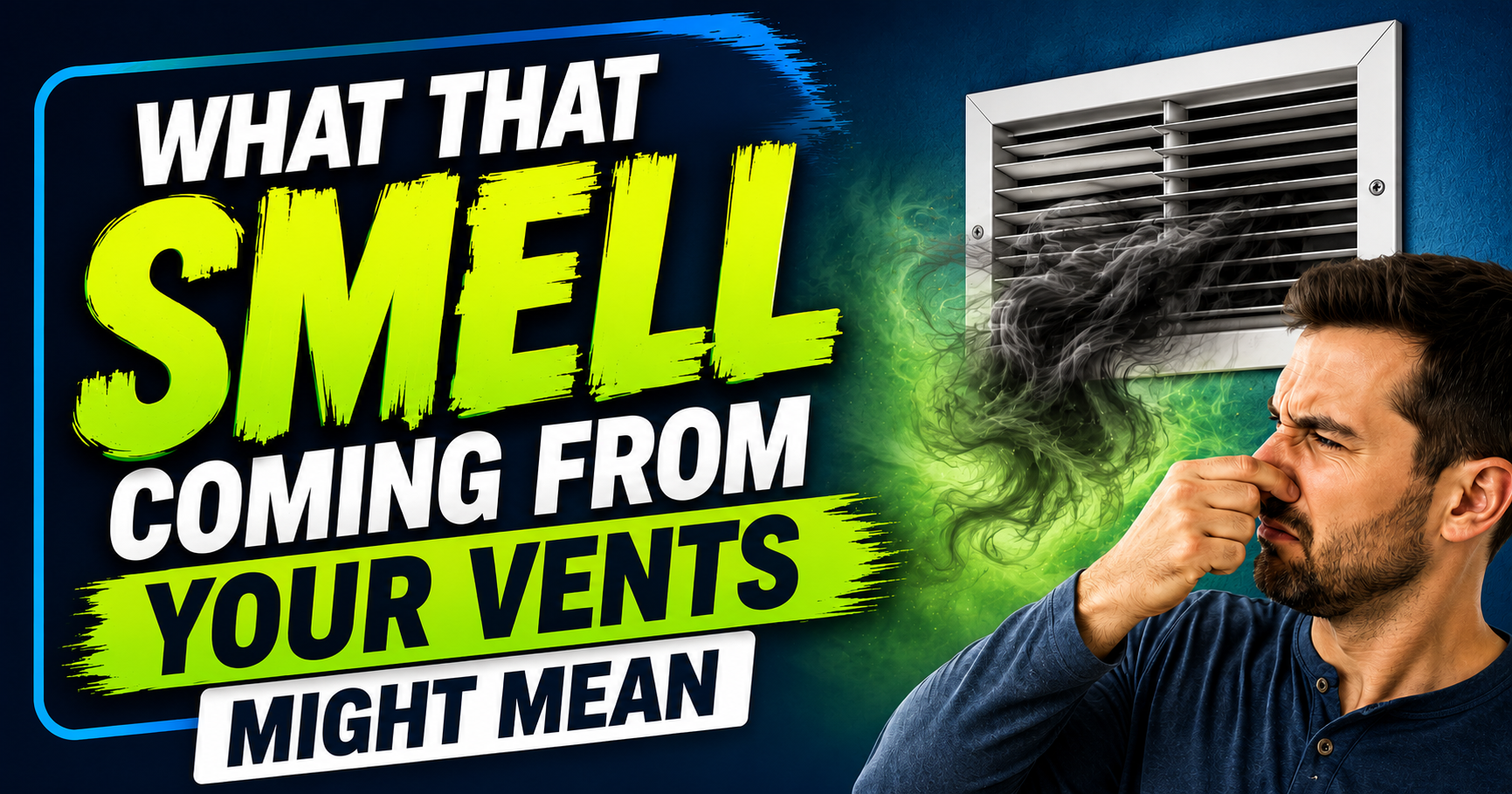
SMELLY ODOR COMING FROM VENTS
June 30, 2026
Strange smells coming from your vents? Learn what common HVAC odors may mean, when to call a professional, and how Alpine Services can help homeowners in Wooster, Ashland, and Mt. Eaton.
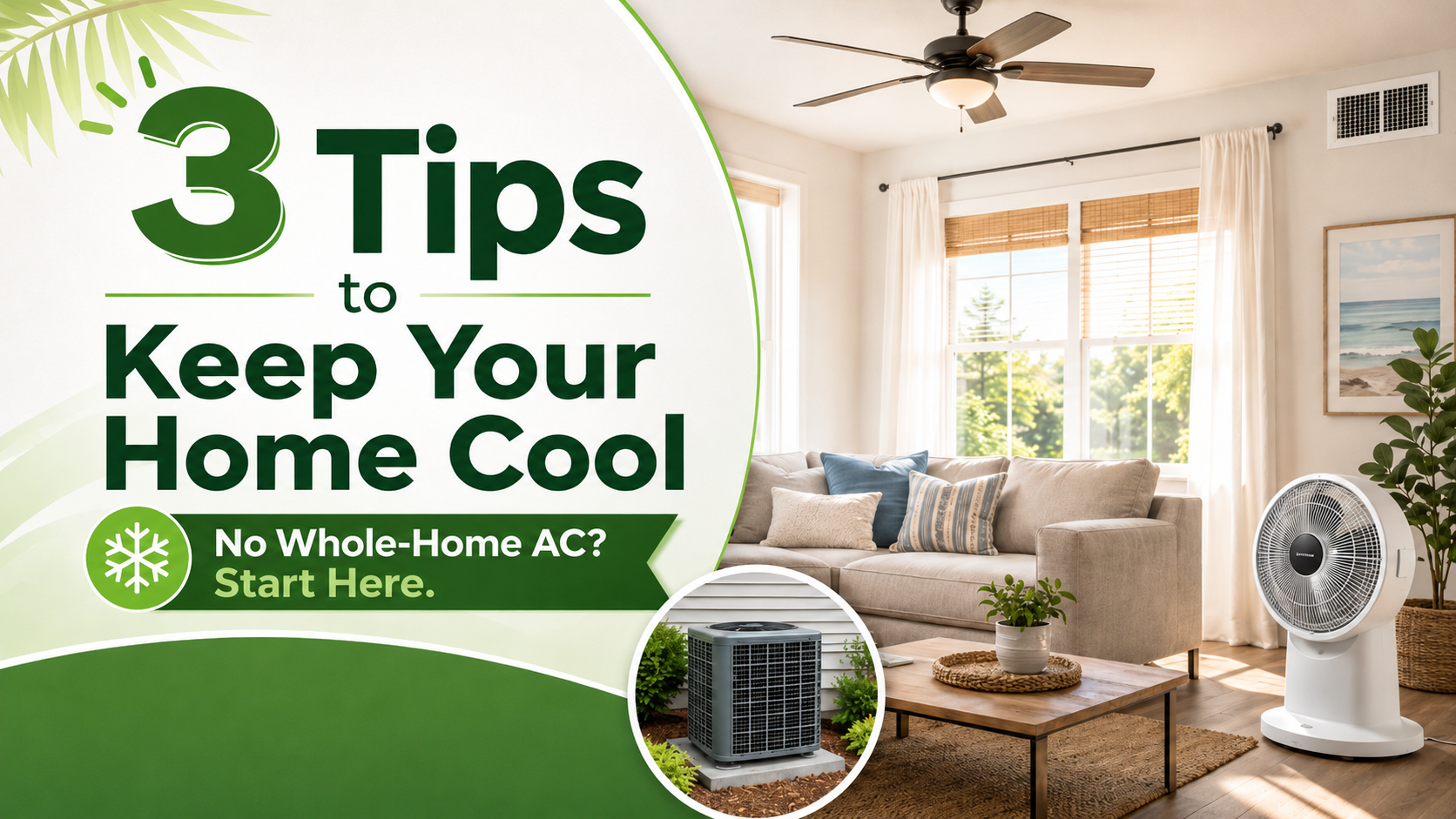
3 Tips for Keeping Your Home Cool This Summer Without Whole-Home AC
June 17, 2026
3 Tips for Keeping Your Home Cool This Summer Without Whole-Home AC
WATER HEATER ON OUTSIDE WALL
June 9, 2026
Tankless vs Traditional Water Heaters: Which One Is Right for Your Home?
SUMMER DAY OUTSIDE
June 3, 2026
Get your AC ready for summer with simple homeowner tips to improve comfort, boost efficiency, and prevent breakdowns before the heat hits.
May 20, 2026
If you’ve heard people talking about “new refrigerant rules” for air conditioners and heat pumps, you’re not alone. Homeowners are wondering if their current AC system is suddenly outdated or impossible to repair. The simple answer is no — you do not need to replace your air conditioner just because refrigerant rules have changed. What Changed With HVAC Refrigerants? The HVAC industry is moving away from higher-GWP refrigerants, including R-410A, and toward newer refrigerants with lower environmental impact. Under the EPA’s refrigerant transition rules, many new residential air conditioners and heat pumps manufactured after January 1, 2025 must use lower-GWP refrigerants. Existing systems can still be serviced, and parts used to repair existing systems are not subject to the same restrictions as new equipment. For homeowners, that means your current air conditioner or heat pump does not automatically need replaced. Can My Current AC Still Be Repaired? Yes. If your system uses R-410A, it can still be serviced. The bigger question is whether a repair makes financial sense. As older refrigerants become less common over time, certain repairs — especially refrigerant leak repairs — may become more expensive. That does not mean every older system should be replaced, but it does make the repair-versus-replace decision more important. When Should You Consider Replacing Your AC? You may want to consider replacement if: -Your system is over 10–15 years old -You are facing a major repair -Your AC has a refrigerant leak -Your energy bills keep climbing -Your home has uneven temperatures -Your system uses older equipment that is no longer under warranty If your system is newer, running well, and only needs a minor repair, replacement may not be necessary. Don’t Panic — Get Honest Advice The new refrigerant rules are a real change in the HVAC industry, but they should not be used to scare homeowners into replacing equipment before they need to. At Alpine Heating, Cooling, Plumbing & Refrigeration, we help homeowners understand their options clearly. Whether your system needs a simple repair, a refrigerant leak check, or a full replacement estimate, our goal is to give you honest information so you can make the best decision for your home. Have Questions About Your AC System? If you’re unsure whether to repair or replace your air conditioner, contact Alpine today. Our team can inspect your system, explain your options, and help you prepare for the future of home comfort. 📞 Schedule a Comfort Evaluation OFFICES Wooster: (330) 263.0013 Ashland: (419) 289.1616 Mt. Eaton (330) 359.7114 Email: sales@alpine-services.com. Website: https://www.alpine-services.com/contact
Piggy Bank to save money
May 12, 2026
Start saving on energy bills without giving up comfort. Explore HVAC tips and upgrades that cut costs while keeping your home cozy year-round.
RESULTS OF COMMUNITY FUNDRAISER
May 6, 2026
Because of the support from our community, we were able to bless two local schools!
More Posts