How Winter Affects Indoor Air Quality

December 28, 2022

With the arrival of winter, you will likely spend more time inside relaxing. While the home's HVAC system ensures you are warm and comfortable, the increased usage and time spent inside can decrease the indoor air quality of the property. This is because less fresh air is entering the home, which can have negative effects on your health. Below is more information about this issue and how to prevent it.


What Are Common Indoor Air Quality Issues?


During winter, you likely close the windows and doors to seal the property and prevent air leaks that reduce the energy efficiency of your HVAC system. While improving insulation around the doors and windows helps the home stay warmer, this also means that airborne contaminants cannot exit the house as easily. This allows them to recirculate through the HVAC system, causing you to breathe them in repeatedly.


For example, pet dander, mold, mildew, and dirt are common contaminants that can cause allergy-like reactions if you inhale them. If you have a fireplace, you may also be exposed to more smoke or carbon monoxide, which can be dangerous. Additionally, many common cleaning products contain volatile organic compounds. These molecules are released into the air, and they contribute to an unhealthy atmosphere. This can lead to nausea, headaches, and dizziness.


How Can You Improve the Home's Indoor Air Quality?


The most effective way to combat poor indoor quality in winter is to increase the home's ventilation. Removing stale air and allowing fresh air inside prevents pollutants from accumulating to levels that affect your health and comfort. Since opening your doors and windows can make the home much colder, invest in mechanical ventilation devices, such as outdoor-vented fans, to release stuffy air.


Also, replace the HVAC system's air filter. Over time, this screen collects considerable dust and debris, and when it is clogged, it cannot remove future contaminants from the air. Generally, you should swap this component once every three months. If you have several pets in the home or host gatherings regularly, replace the filter once a month. 


Finally, clean the home at least once a week to remove dust and dirt. Vacuum the carpets thoroughly to remove debris that is stuck in the fibers, and wipe the vents and registers with a microfiber cloth. Also, look for signs of excess moisture inside the home, such as condensation on the windows and discolored paint. High humidity contributes to mold growth, which is a harmful substance.


If you are in need of service or preventative maintenance on your current HVAC system please give us a call and we'd be glad to being the process of evaluating your needs along with your budget and coming up with a plan for your heating, cooling & air quality needs.


330.263.0013 or 330.359.7114

sales@alpinehcservices.com

https://www.alpinehcservices.com/contact

May 20, 2026
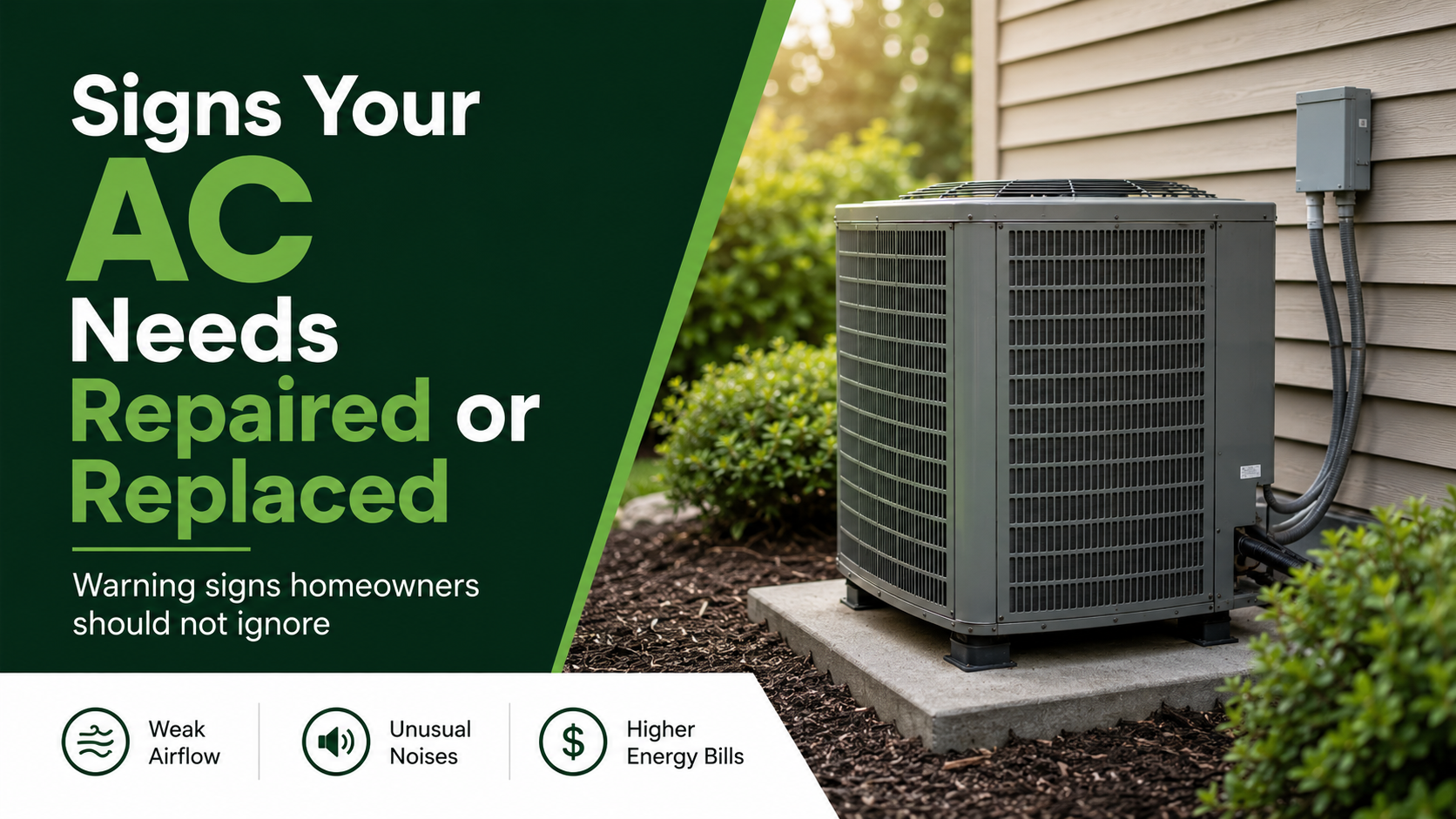
If you’ve heard people talking about “new refrigerant rules” for air conditioners and heat pumps, you’re not alone. Homeowners are wondering if their current AC system is suddenly outdated or impossible to repair. The simple answer is no — you do not need to replace your air conditioner just because refrigerant rules have changed. What Changed With HVAC Refrigerants? The HVAC industry is moving away from higher-GWP refrigerants, including R-410A, and toward newer refrigerants with lower environmental impact. Under the EPA’s refrigerant transition rules, many new residential air conditioners and heat pumps manufactured after January 1, 2025 must use lower-GWP refrigerants. Existing systems can still be serviced, and parts used to repair existing systems are not subject to the same restrictions as new equipment. For homeowners, that means your current air conditioner or heat pump does not automatically need replaced. Can My Current AC Still Be Repaired? Yes. If your system uses R-410A, it can still be serviced. The bigger question is whether a repair makes financial sense. As older refrigerants become less common over time, certain repairs — especially refrigerant leak repairs — may become more expensive. That does not mean every older system should be replaced, but it does make the repair-versus-replace decision more important. When Should You Consider Replacing Your AC? You may want to consider replacement if: -Your system is over 10–15 years old -You are facing a major repair -Your AC has a refrigerant leak -Your energy bills keep climbing -Your home has uneven temperatures -Your system uses older equipment that is no longer under warranty If your system is newer, running well, and only needs a minor repair, replacement may not be necessary. Don’t Panic — Get Honest Advice The new refrigerant rules are a real change in the HVAC industry, but they should not be used to scare homeowners into replacing equipment before they need to. At Alpine Heating, Cooling, Plumbing & Refrigeration, we help homeowners understand their options clearly. Whether your system needs a simple repair, a refrigerant leak check, or a full replacement estimate, our goal is to give you honest information so you can make the best decision for your home. Have Questions About Your AC System? If you’re unsure whether to repair or replace your air conditioner, contact Alpine today. Our team can inspect your system, explain your options, and help you prepare for the future of home comfort. 📞 Schedule a Comfort Evaluation OFFICES Wooster: (330) 263.0013 Ashland: (419) 289.1616 Mt. Eaton (330) 359.7114 Email: sales@alpine-services.com. Website: https://www.alpine-services.com/contact
Piggy Bank to save money
May 12, 2026
Start saving on energy bills without giving up comfort. Explore HVAC tips and upgrades that cut costs while keeping your home cozy year-round.
RESULTS OF COMMUNITY FUNDRAISER
May 6, 2026
Because of the support from our community, we were able to bless two local schools!
Confused young Woman looking at laptop
April 21, 2026
Learn how to choose a reliable HVAC company in Ohio. Tips on licensing, reviews, pricing, and experience to protect your home and comfort.
Upstairs hot in home
April 13, 2026
Upstairs too hot? Learn the most common HVAC issues causing uneven temperatures—and how to fix them before peak heat hits.
Spring Weather and Tree in a field on a sunny day
April 6, 2026
Learn how to save money by improving the effiency of your HVAC System
March 25, 2026
Spring into savings and comfort. Use our expert HVAC guide to prepare your system for warmer weather and maximize efficiency this season.
March 17, 2026
Understand the importance of air filters and how they impact HVAC efficiency and indoor air quality with insights from Alpine Heating & Cooling.
Winter Flowers
March 11, 2026
Ohio spring weather can shift from cold to warm quickly. Learn why servicing both your furnace and air conditioner helps keep your home comfortable.
HVAC Service Tech Bobby Schmitt
February 23, 2026
Learn Tips and Tricks from HVAC Service Technicians
More Posts